
Contents
- Word Meanings / Glossary
- Formation of the Indian National Congress (INC)
- Background and Context
- Changes After the 1857 Revolt
- Social and Economic Changes
- Early Political Groups
- Formation of the Indian National Congress
- Role of A.O. Hume
- The First Session (1885)
- Aims and Objectives
- Early Activities and Methods
- Constitutional Agitation
- Demands for Reforms
- Emphasis on Unity
- British Attitude Towards the INC
- Initial Perceptions
- Growing Suspicion
- Key Takeaways
- Previous Year Questions
- FAQs
Quick Answer: The Indian National Congress (INC) was founded in December 1885 in Bombay, largely through the efforts of retired British official A.O. Hume, who wanted an organised, peaceful platform for Indians to voice political demands after the upheavals of 1857.
In this post, notes of “Unit 2: Early Nationalism” from “DSC-2: History of India – VIII: c. 1857–1950” are given which is helpful for the students doing graduation this year. This is topic 1 of 3 — see the full unit at the Early Nationalism hub page. Next topic: Moderates and Extremists Nationalists.
Word Meanings / Glossary
| Term | Meaning |
|---|---|
| Safety valve theory | Idea that the INC let Indians vent frustration peacefully, reducing revolt risk |
| Drain Theory | Naoroji’s theory that British policies drained India’s wealth to Britain |
| Delegate | A representative sent to attend the Congress session |
| Divide and Rule | British colonial policy of deepening religious/regional divisions to prevent unified opposition |
Formation of the Indian National Congress (INC)
Background and Context
Changes After the 1857 Revolt
Effects of the 1857 Revolt on British Rule: The 1857 revolt, known as the First War of Indian Independence, greatly affected British rule in India. The British responded harshly, taking direct control of India from the East India Company. They aimed to stop any future revolts by increasing their military presence and centralizing power, often using strict measures to suppress any signs of rebellion.
Divide and Rule Policy: After the revolt, the British used a “divide and rule” approach to keep Indians from uniting. They created divisions based on religion, caste, and region, often favoring one group over another to weaken opposition. This strategy led to increased tensions, especially between Hindus and Muslims, and set the stage for future political conflicts.
Social and Economic Changes
Growth of Western Education: The British introduced Western education in India, leading to the rise of a new educated middle class. Schools and universities like the University of Calcutta (established in 1857) spread new ideas about freedom, democracy, and nationalism. Many educated Indians began to question their political and social conditions, forming the backbone of the Indian nationalist movement.
Emergence of the Indian Middle Class: With better education, a middle class developed in cities, including professionals and business people influenced by Western ideals. This group began to demand political rights and more representation, pushing for the creation of political organizations to express these needs.
Early Political Groups
Establishment of the Indian Association (1876): The Indian Association, started by Surendranath Banerjee in Calcutta in 1876, was one of the first groups advocating for Indian rights. Initially focused on education and social reforms, it eventually took on political issues, demanding Indian involvement in governance and addressing colonial grievances.
Bombay Presidency Association and Madras Mahajan Sabha: Other important early groups included the Bombay Presidency Association (founded in 1885) and the Madras Mahajan Sabha (established in 1884). Like the Indian Association, they aimed to advocate for Indian rights and reform colonial policies, helping to shape the political discussion that led to the founding of the Indian National Congress.
These elements together created a strong desire for political change, leading to the formation of the Indian National Congress in 1885, which became a key player in the fight for Indian independence.
Formation of the Indian National Congress
Role of A.O. Hume
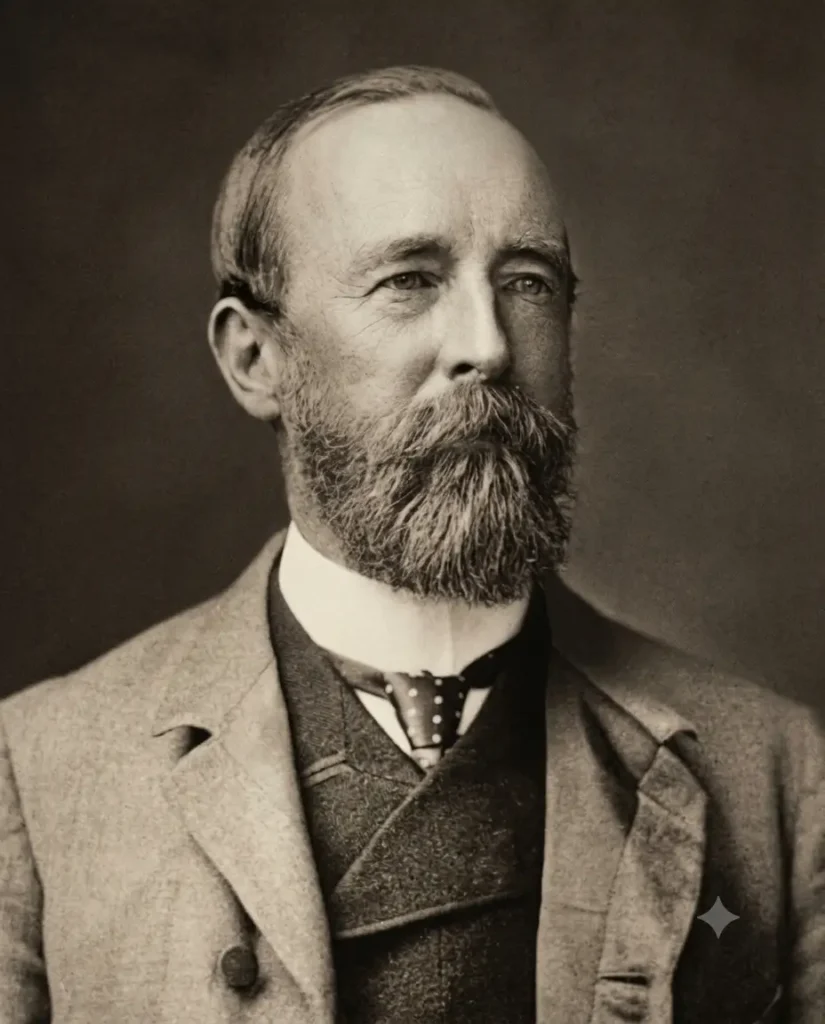
Hume’s Efforts: Allan Octavian Hume, a retired British official, was key in starting the Indian National Congress (INC). After leaving his job, Hume became more understanding of Indian political needs and saw the INC as a way for moderates to speak with the British government peacefully. He wanted to prevent more unrest like the 1857 revolt and hoped to help British officials and Indian leaders work together.
Bringing Leaders Together: Hume aimed to unite different Indian leaders to work together peacefully instead of using violence. He believed the Indian middle class wanted political change and needed an organized group to express their needs. Hume wanted to ease tensions and create a way for Indian leaders to share their concerns with the British government in an orderly fashion.
The First Session (1885)
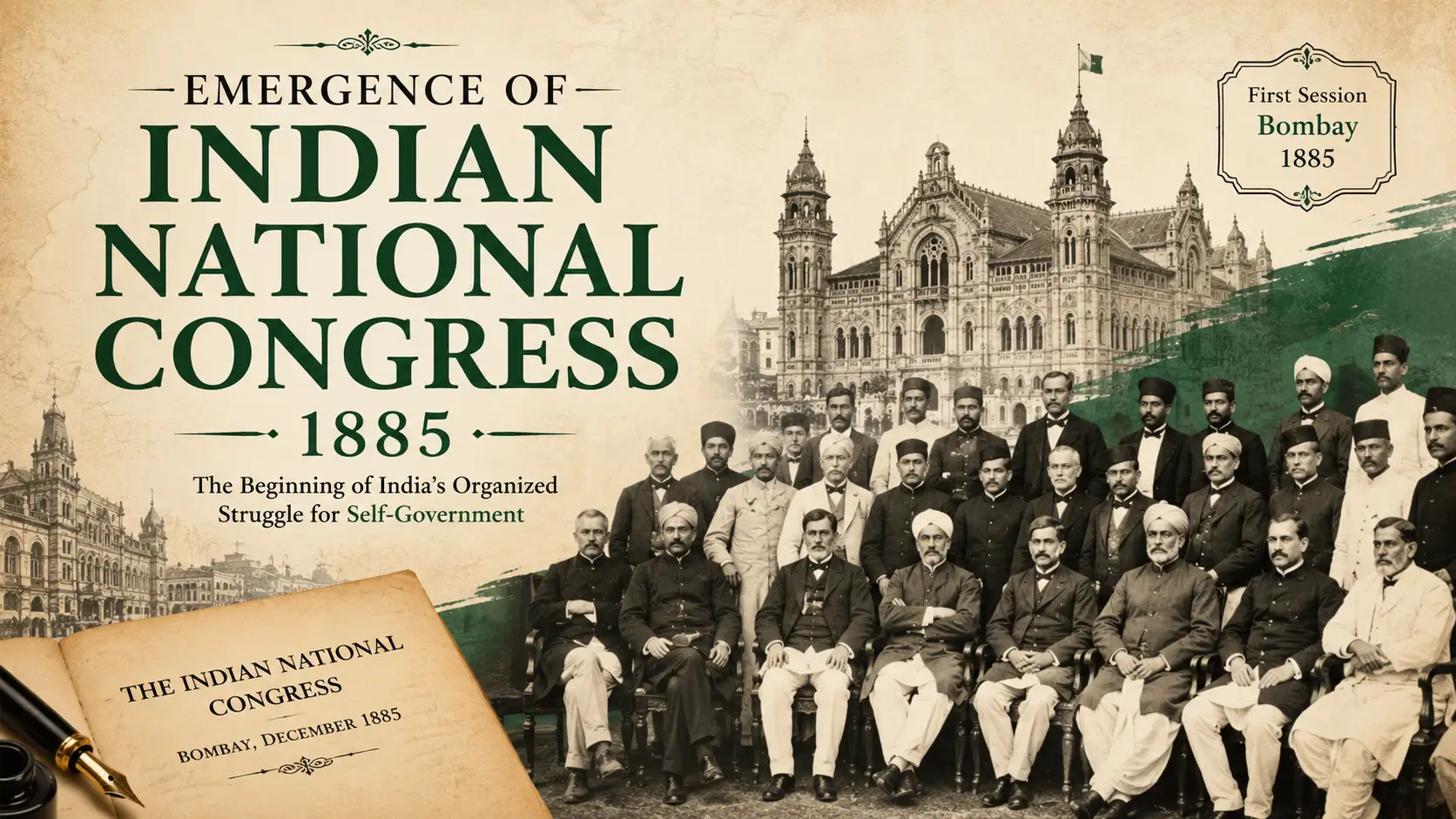
First Meeting in Bombay: The first meeting of the Indian National Congress happened from December 28 to 31, 1885, in Bombay (now Mumbai). This marked the official start of the INC and was an important step in Indian politics. Although it was small at first, it set the groundwork for the INC to grow into a major political group.
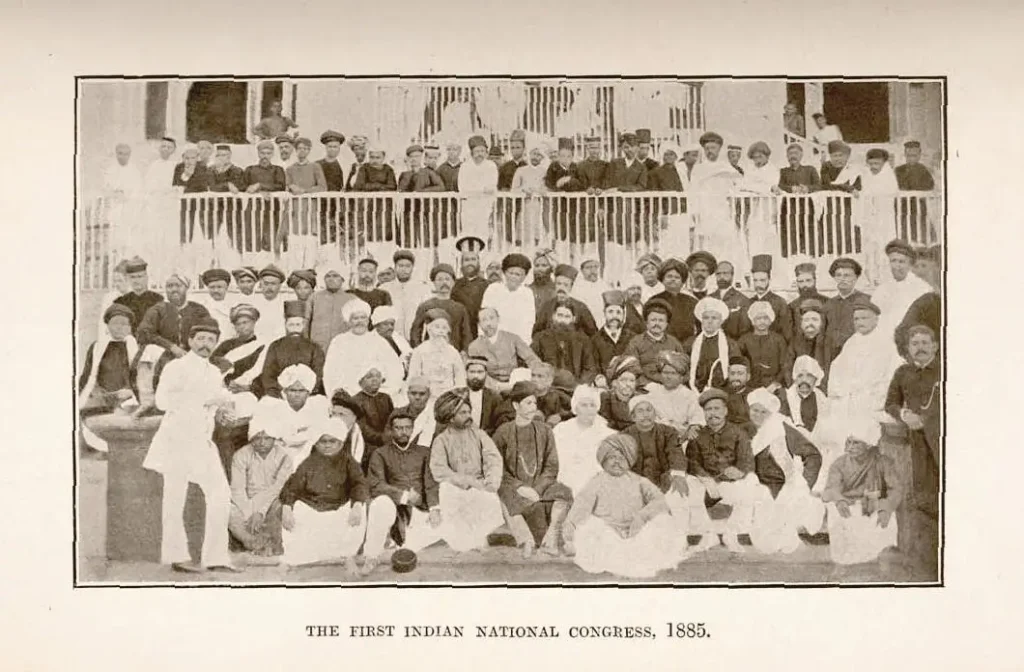
Key Figures: The first session was led by Womesh Chunder Bonnerjee, a well-known Bengali lawyer. Dadabhai Naoroji, known as the “Grand Old Man of India,” was also a key member and later became the first Indian in the British Parliament. About 72 delegates attended, including important leaders like Surendranath Banerjee and Pherozeshah Mehta, all wanting political and administrative changes.
Aims and Objectives
Building Unity Among Nationalists: A main goal of the INC was to promote unity among Indian nationalists from different backgrounds. The INC wanted to bring together various communities to work together for national reform against British rule. It aimed to create a space for discussion and cooperation among Indian leaders.
Fostering National Pride: The INC also aimed to develop a sense of nationalism among Indians. By addressing shared issues like economic exploitation and lack of political rights, it sought to build a collective Indian identity. This spirit of nationalism was to grow through discussions on national interests, pushing for more Indian involvement in governance.
Creating a Space for Dialogue: The INC wanted to provide a peaceful way for Indians to express their political and social concerns to the British government. It focused on using petitions and discussions to seek reforms instead of violent actions. The Congress was a place to talk about issues like the Indian economy, education, and the welfare of the Indian people, aiming to solve problems through formal requests to the British government.
The formation of the Indian National Congress was an important event in India’s political history. The INC started with moderate goals but laid the groundwork for more intense movements and played a key role in the fight for India’s independence.
Early Activities and Methods
Constitutional Agitation
Petitions to British Authorities: In its beginning years, the Indian National Congress (INC) used peaceful methods to ask for changes. They did not want to start a rebellion but instead focused on lawful ways to demand reform. One main method was sending petitions to the British government to ask for changes in rules and to include Indians in governance. These petitions pointed out problems like the lack of Indian representation in government roles and unfair treatment of Indians by the British.
Use of Memorandums and Resolutions: The INC also wrote memorandums and resolutions to show their demands formally. These documents were given to British officials to highlight important political and economic issues in India. Resolutions passed during Congress meetings called for specific changes, such as better education, more Indian officials in government, and more civil rights for Indians. The INC mainly tried to work with the British peacefully and legally during this time.
Demands for Reforms
Indian Representation in Legislative Councils: One of the first big demands of the INC was to have Indians in the British-appointed legislative councils. These councils mostly had British officials and did not include Indians, even though Indian people were the ones affected by the decisions made there. The INC wanted more Indian voices in these councils to ensure that the laws made were relevant to Indian society.
Civil Service Examinations in India: Another important demand was to change the Indian Civil Services (ICS), which was key in governing India. The ICS exams were held in Britain, making it hard for Indians to compete since many could not afford to travel there. The INC asked for these exams to be held in India so that educated Indians could join the civil services and help run their own country.
Emphasis on Unity
Overcoming Regional and Cultural Differences: The early leaders of the INC understood that for the organization to be effective, it needed to bring together people from different regions, languages, and cultures in India. British rule had created divisions among groups. The INC worked to promote unity among Indians, calling for everyone to come together despite the country’s diversity. This unity was seen as important for achieving reforms and resisting British rule.
Inclusion of Diverse Social Groups: Another important part of the INC’s early work was to include many different groups from Indian society. While it initially gained support mainly from educated middle-class people, it later aimed to include rural workers, artisans, and women. INC leaders recognized that India’s fight for self-governance needed everyone’s participation, including those who were less privileged. The INC wanted to create a space where the needs of all Indians could be heard, no matter their social or economic background.
The early efforts of the INC focused on peaceful methods to ask for political and administrative changes. They aimed to achieve their goals through discussions with the British government and sought to unite a diverse population for self-governance. This focus on unity and inclusion helped the INC grow into a wide-reaching national movement.
British Attitude Towards the INC
Initial Perceptions
Seeing INC as a “Safety Valve”: At first, the British government did not pay much attention to the Indian National Congress (INC) and thought of it as a way to let out some of the anger in India. They believed that the INC would help express Indian concerns peacefully, which would stop bigger protests. The early leaders of the INC focused on asking for changes and talking with the British instead of fighting. The British thought that by letting the INC speak, they could keep the educated middle class calm and reduce the chance of major unrest.
Lord Dufferin’s Meetings with Leaders: Lord Dufferin, who was the British Viceroy of India from 1884 to 1888, helped shape how the British viewed the INC. Although he was unsure about the Congress’s power, he thought that talking to its leaders could help deal with the growing Indian demands. Dufferin mostly interacted with Congress leaders in a polite way and saw the INC as a group that could support British interests, as long as it stayed moderate. He tried to make the Congress seem less important by building connections with a few key leaders while keeping British authority strong.
Growing Suspicion
Worry About Unified Indian Opinion: As the INC became more popular and started to connect people from different parts of India, the British grew more concerned about its ability to unite Indians for a common cause. Although early Congress leaders were moderate and focused on reforms, the increasing support for the INC worried the British. They feared that a united Indian political group could pressure the British government, especially as the INC began to include more voices from various backgrounds. The British were anxious that this unity might lead to stronger demands against British rule.
Actions to Control Nationalist Activities: In response to the INC’s growing power, the British government took steps to limit nationalist activities. Even though they still saw the INC as moderate, they worried that its calls for change could lead to more extreme movements. To control the INC’s influence, the British imposed restrictions on public meetings, monitored Congress leaders, and used the media to undermine the INC. They also tried to create divisions among Indian leaders by highlighting regional or communal differences to weaken their unity.
In the beginning, the British did not recognize the power of the INC, thinking it was a safe way for Indians to express their concerns. But as the INC gained influence and connected a wide range of Indians, the British grew suspicious, fearing that a united nationalist movement could threaten their rule. This led to increased monitoring and efforts to suppress nationalist activities, even while still talking to INC leaders diplomatically.
Key Takeaways
The INC began as a moderate, dialogue-focused body but laid essential institutional groundwork for the wider independence movement that followed.
Previous Year Questions
Previous Year Questions — Formation of the Indian National Congress
Important questions from previous year exam patterns on this topic. Tap a question to view a quick-answer guide.
1 Discuss the circumstances that led to the formation of the Indian National Congress in 1885. +
2 Examine the role of A.O. Hume in the founding of the INC. +
3 What were the main aims and objectives of the early Indian National Congress? +
4 How did British attitudes towards the INC change between 1885 and the early 1890s? +
5 What were the early demands raised by the Indian National Congress? +
FAQs
When and where was the Indian National Congress founded?
The INC was founded in December 1885, with its first session held in Bombay (now Mumbai) from 28 to 31 December.
Who founded the Indian National Congress?
A.O. Hume, a retired British civil servant, played the key role in organising the INC’s founding, with support from early Indian leaders like W.C. Bonnerjee and Dadabhai Naoroji.
Who presided over the first session of the INC?
Womesh Chunder Bonnerjee presided over the first INC session in 1885, attended by about 72 delegates.
Why is the “safety valve” theory associated with the INC’s formation?
Some historians argue the British saw the INC as a way to let Indians express grievances peacefully, reducing the risk of a violent uprising like 1857.
What were the early political associations that preceded the INC?
The Indian Association (1876), the Bombay Presidency Association (1885), and the Madras Mahajan Sabha (1884) were key forerunners.
Subscribe to keep reading
You've used your free notes for now. Get Delhi Pathshala Premium for unlimited access.
Subscribe — ₹29/30 days