
Contents
- Introduction
- Overview of Henry Louis Vivian Derozio’s Life and Works:
- Historical and Cultural Context of the Poems:
- Themes and Motifs in Derozio’s Poetry:
- Freedom to the Slave Summary
- Simplified Summary of the Poem:
- Freedom to the Slave Themes:
- Freedom to the Slave Literary Devices:
- Historical Importance:
- Comparative Analysis
- Comparison of Themes in Both Poems:
- Derozio’s Poetic Style:
- Analysis of Suffering and Triumph in Both Poems:
- Critical Perspectives
- Feminist and Post-Colonial Views:
- Derozio’s Impact on Indian Literature:
- Relevance of the Poems Today:
- Conclusion
- Summary of Key Points:
- Impact on Indian Literature:
- Personal Thoughts:
In this post, notes of “Unit 2: freedom to the slave summary by HLV Derozio” from “DSC- 11: Indian Writing in English” are given which is helpful for the students doing graduation this year.
Introduction
Overview of Henry Louis Vivian Derozio’s Life and Works:
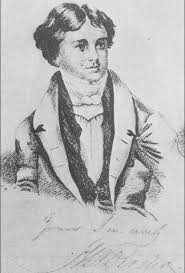
Henry Louis Vivian Derozio (1809-1831) was an Indian poet, teacher, and social reformer known for being one of the first voices in English literature in India.
He was born in Kolkata (then Calcutta) to a mixed Indian and British family. Even though he lived a short life, he greatly influenced literature and ideas during his time.
Derozio was a leader of the Young Bengal Movement, which aimed to question old beliefs and encourage new ideas about society and religion.
Derozio wrote a small number of poems that have made him an important figure in literature. He was one of the first Indian poets to write in English. His poems covered different styles and often focused on themes like love for the country, individual rights, social justice, and romantic feelings.
As a teacher at Hindu College in Kolkata, Derozio inspired many young people, helping to shape a group of thinkers and reformers who were important in changing India during the 19th century.
His students, like David Hare and Rammohun Roy, played key roles in India’s social and political changes.
Historical and Cultural Context of the Poems:
Derozio’s poetry reflects the challenging time of British rule in India, a period of major social, political, and cultural change.
In the early 19th century, the British were becoming more powerful, and many Indians were starting to feel unhappy with their old social customs.
The ideas of the European Enlightenment and British education also influenced the thinking of this time.
The Young Bengal Movement, which Derozio was part of, aimed to break away from traditional religious practices and criticize the social and political issues caused by British rule.
Derozio encouraged thinking critically and being open-minded. His works show the hopes of a generation that wanted to change India’s identity and fight against the unfairness of colonialism and traditional social hierarchies.
Themes and Motifs in Derozio’s Poetry:
Derozio’s poetry includes several key themes that reflect the social and political issues of his time:
- Nationalism and Patriotism: Derozio’s poems show a strong love for India, encouraging people to free themselves from colonial rule and take pride in their culture.
- Rationalism and Enlightenment: Influenced by European ideas, Derozio celebrated reason and progress in his poetry. He questioned old beliefs and promoted a more logical understanding of life.
- Romanticism and Individualism: Derozio focused on personal feelings and the search for freedom. His poems often talk about love, freedom, and self-expression, highlighting the importance of being emotionally and intellectually independent.
- Social Reform: Derozio supported social change, especially against discrimination based on caste and for women’s rights. His poems express his desire for a better society.
- Mortality and the Transience of Life: Derozio often wrote about life, death, and how quickly time passes. His poems encourage living fully and making a difference before it’s too late.
Through his poetry, Derozio not only added to English literature in India but also became a key figure in the cultural and intellectual changes of colonial India. His work reflects the hopes and challenges of a young generation aiming to reshape their country’s future.
Freedom to the Slave Summary
Full Text of Poem: Freedom to the Slave
Simplified Summary of the Poem:
“Freedom to the Slave” is a strong and moving poem by Henry Louis Vivian Derozio that talks about the need for freedom from oppression. The poem calls out to enslaved people, encouraging them to escape from their suffering. Derozio describes freedom as a powerful and holy force, urging the enslaved to claim their right to live freely.
The poem starts by telling the slave that freedom is their right and a valuable gift that should not be taken away. The speaker explains how freedom can change lives and lift the oppressed from their pain. The speaker encourages the slave to stand up and break free from their chains, saying that every person deserves to be treated with dignity. The poem ends by saying that freedom is a natural and spiritual right that no one should be able to take away.
Freedom to the Slave Themes:
- Freedom:
The main theme of the poem is the fight for freedom, both in body and spirit. Derozio sees freedom as something everyone deserves. He shows that slavery not only traps people physically but also takes away their dignity and humanity. His call for freedom is about more than just escaping; it’s about restoring a person’s rightful place in the world as a free and respected individual. - Liberation:
Liberation in the poem is shown as the key to human dignity. The speaker repeatedly tells the slave to reject oppression and accept freedom as a powerful change. Liberation means not only escaping physical chains but also feeling emotionally and mentally renewed. This theme is connected to the idea that freedom helps people discover who they really are. - Human Dignity:
The poem strongly emphasizes human dignity. Derozio believes that no one should be oppressed, regardless of their background. The speaker points out that slavery harms the dignity of the human spirit, and through freedom, the slave can regain this dignity. The call for freedom is also a call to restore self-respect and honor.
Freedom to the Slave Literary Devices:
- Imagery:
Derozio uses strong images to express the emotions of the poem. The image of chains represents the physical and mental trapping of the slave. In contrast, images of light and flying represent the freedom that can come. The difference between darkness (oppression) and light (freedom) highlights the change from being enslaved to being free. - Symbolism:
- Chains: Chains symbolize oppression and limits on potential.
- Freedom: Freedom symbolizes both physical release and the right to live with dignity and equality.
- Heavenly Imagery: Derozio uses heavenly images to show that freedom is a higher, spiritual right.
- Metaphor:
The poem includes metaphors that help explain freedom and oppression. For example, “shackles” represent both outside and inside burdens. Describing freedom as a force that can break these shackles shows its ability to change lives.
Historical Importance:
“Freedom to the Slave” is important in the context of colonial India and the global fight against slavery. Written in the early 19th century when slavery was common, Derozio’s poem criticizes the British colonial system in India and the slavery system in the West.
In India, British authorities controlled the population through exploitation, making the situation similar to slavery. Influenced by Enlightenment ideas, Derozio calls for people to be free from colonial rule and social restrictions.
On a larger scale, the poem connects to the 19th-century movement to end slavery. Its themes of freedom and dignity resonate with abolitionist movements in the British Empire and the United States, making it part of the worldwide fight for human rights.
Additionally, Derozio’s work looks ahead to later discussions about freedom and dignity in India’s struggle for independence. The poem calls for political and social change, linking it to the broader conversation about liberty and self-determination that grew in the 19th and 20th centuries in India.
Today, “Freedom to the Slave” is still relevant as it addresses human rights, social justice, and the ongoing fight against oppression. It encourages readers to think about how power still affects individuals and communities, inspiring a desire for change.
Overall, the poem is significant not only for its criticism of colonialism and slavery but also for its timeless message about freedom, liberation, and the dignity of all people.
Comparative Analysis
Comparison of Themes in Both Poems:
Both “Freedom to the Slave” and “The Orphan Girl” talk about human suffering, strength, and the search for freedom, but they do it in different ways.
- Freedom: In “Freedom to the Slave”, the focus is on freeing the enslaved people from physical and spiritual chains. It calls for them to regain their dignity and rights. In contrast, “The Orphan Girl” shows emotional freedom. The girl is physically free but feels trapped by feelings of being abandoned and ignored.
- Human Suffering: Both poems highlight the deep suffering of marginalized people but in different situations. “Freedom to the Slave” talks about suffering due to slavery and colonialism, while “The Orphan Girl” focuses on a child’s pain from being left alone. Both types of suffering are not just physical; they also show emotional pain.
- Strength and Hope: Both poems deal with strength, but in different ways. In “Freedom to the Slave”, strength is about a group wanting to be free and treated equally. In “The Orphan Girl”, strength is more personal, shown by the girl enduring her hardships. Hope in both poems is not guaranteed; for the slave, it is the hope for freedom, and for the orphan, it is the will to survive.
Derozio’s Poetic Style:
Derozio’s style is influenced by Romanticism, focusing on emotions and individual struggles against oppression. His early works like “Freedom to the Slave” are passionate and call for social change. They use clear language and strong expressions to address social issues.
On the other hand, “The Orphan Girl” is more personal and focuses on individual suffering. The language is softer, showing Derozio’s understanding of complex emotions. While he still cares about social issues, this poem is more introspective, showing his growth as a poet.
Analysis of Suffering and Triumph in Both Poems:
Both poems talk about suffering, but how the suffering is shown and the chance for triumph are different.
- In “Freedom to the Slave”, suffering comes from outside forces like colonialism and slavery. The solution is clear: freedom, which restores dignity. The triumph is a shared victory against oppression.
- In “The Orphan Girl”, suffering is more about internal feelings, stemming from abandonment. The girl’s strength is about surviving but doesn’t lead to a clear victory. Here, triumph is more personal, focusing on her ability to endure in a tough world.
Critical Perspectives
Feminist and Post-Colonial Views:
- Feminist View: Although both poems don’t directly discuss gender, a feminist lens can see both the enslaved individuals and the orphan girl as marginalized by male-dominated and colonial systems. The lack of a mother figure in “The Orphan Girl” highlights the vulnerability of women and children. Feminists may view Derozio’s portrayal of the orphan as a call for change in how women and vulnerable people are treated.
- Post-Colonial View: Both poems show the struggle for identity and freedom after colonialism. “Freedom to the Slave” can symbolize the oppression of Indians by the British, while “The Orphan Girl” reflects the emotional impact of colonialism on those left behind. Derozio critiques the colonial system and calls for dignity and self-awareness.
Derozio’s Impact on Indian Literature:
Derozio greatly influenced Indian literature by introducing English literature to his students. His ideas on freedom and social reform inspired future thinkers and writers like Raja Ram Mohan Roy and Michael Madhusudan Dutt. His work helped spark the Bengal Renaissance by promoting rational thought and reform.
Relevance of the Poems Today:
Derozio’s poems are still important for their themes of freedom and justice. In modern studies, “Freedom to the Slave” and “The Orphan Girl” connect with today’s movements for human rights and equality. The themes of suffering and strength still resonate with marginalized communities. The use of vivid language and literary techniques keeps the poems engaging for today’s readers.
Conclusion
Summary of Key Points:
This analysis looked at the main themes, literary techniques, and emotional impact of Derozio’s poems “Freedom to the Slave” and “The Orphan Girl”. Both poems explore human suffering, strength, and the search for freedom, but in different ways — political freedom in “Freedom to the Slave” and emotional struggles in “The Orphan Girl”. We noticed Derozio’s poetic growth from calls for social change to deeper reflections on individual experiences. Different perspectives, like feminist and post-colonial views, show the wider impact of his work.
Impact on Indian Literature:
Derozio’s poems remain significant in Indian literature for their critiques of colonialism and social injustice. His work laid the groundwork for future literary figures and movements, advocating for freedom and dignity.
Personal Thoughts:
Reading Derozio’s work reminds me of the ongoing fight for justice and equality. The emotions in “Freedom to the Slave” and “The Orphan Girl” resonate today, highlighting the need for compassion and strength against oppression. These poems encourage us to think about how we can help alleviate the suffering of others and inspire hope for change.
Subscribe to keep reading
You've used your free notes for now. Get Delhi Pathshala Premium for unlimited access.
Subscribe — ₹29/30 days